
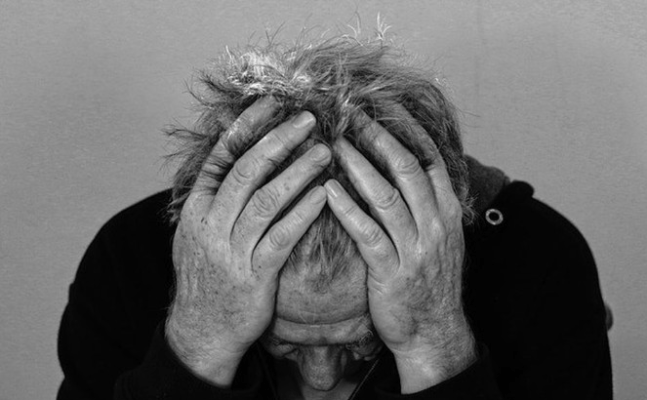
When do i seek professional help?
While the vast majority of people will pass through grief without needing professional help, you should seek treatment for serious or long-lasting symptoms of depression that interfere with daily life. Talk with your doctor or a mental health professional if you have suicidal thoughts or experience any of these other symptoms of bereavement-related depression:
- persistent feelings of worthlessness, which is generally felt with depression but not with healthy grief
- ongoing guilt
- marked mental and physical sluggishness
- persistent trouble functioning
- hallucinations, other than occasionally thinking you hear or see the deceased.
Small studies suggest that psychotherapy, antidepressant medication, or both may ease symptoms of depression associated with grief.
Grief can entangle you
Grief can entangle people in other ways, too. Sometimes people feel so mired in grief that months or even years go by with no improvement, however slow or painful. This may be a sign of complicated grief, a term mental health professionals use when grieving proves especially difficult. Also known as protracted or chronic grief, it couples features of depression and post-traumatic stress disorder, which is why some bereavement experts call it traumatic grief. (The trauma in this case is an unbearable separation from someone you love.)
Complicated grief
Complicated grief occurs more often after a death that feels traumatic, perhaps because it was premature, sudden, violent, or unexpected. It may be prompted by less obvious troubles, too, such as work problems, family conflicts, and chronic illness. Ambivalent or angry relationships can also lead to this type of grief.
Among adults who suffer a significant loss, about one in 11 experiences complicated grief. Symptoms include:
- intrusive, upsetting memories, thoughts, and images of the deceased
- constant, painful yearning for the deceased
- an inability to accept the reality of the death
- frequent nightmares
- detachment from others
- desperate loneliness and helplessness, anger, and bitterness
- thoughts of suicide and wanting to die.
Other reason to seek help
Other reasons to seek professional help include drug abuse or increased use of tobacco or alcohol, suffering several losses, gaining or losing a significant amount of weight, experiencing uncontrollable anxiety, and failing to feel somewhat better after a year has passed.
Great advice from From Michael Hirsch, MD
 Celebrate & Remember Funeral Pastor